
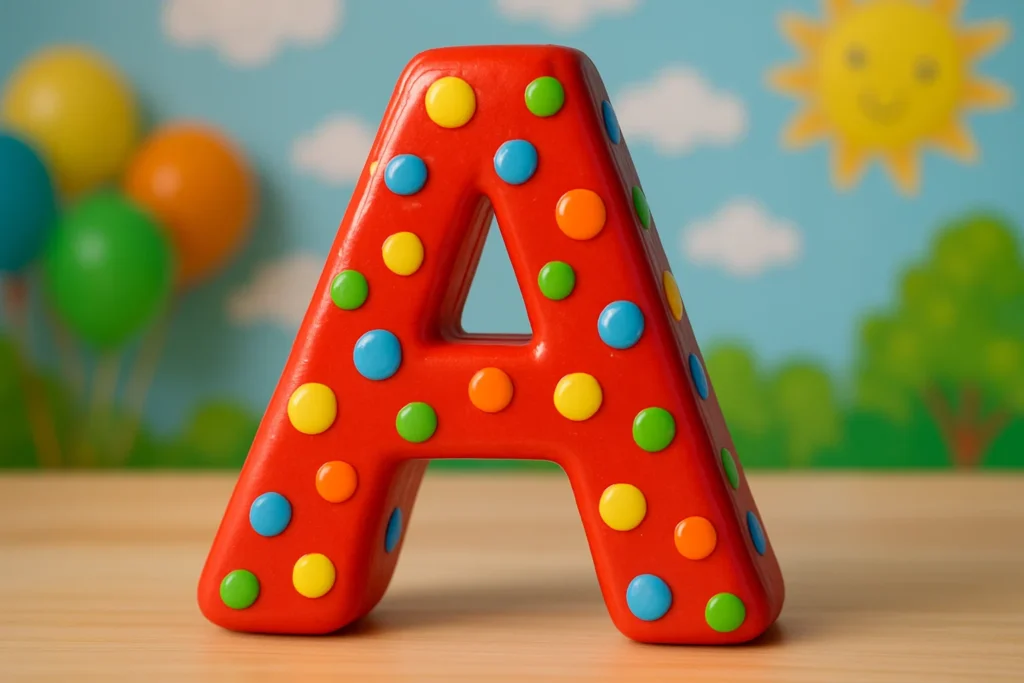
Looking for a fun and effective way to teach your child the alphabet?
This Letter A tracing worksheet is designed to help preschool and kindergarten learners recognize, write, and use the letter A through engaging activities. With clear tracing guides, cute vocabulary illustrations (apple, ant, airplane), and fill-in-the-blank word games, this printable sheet makes early literacy both enjoyable and educational. Perfect for classroom use or at-home practice!
Letter Aa
Click here to download the free Letter Aa tracing worksheet for preschool and kindergarten.
Letter a
Click here to download the free Letter a tracing worksheet for preschool and kindergarten.
Letter A
Click here to download the free Letter A tracing worksheet for preschool and kindergarten
Tips for Parents and Early Learners
Creating the Perfect Early Literacy Learning Environment for Young Learners
Introducing early literacy skills to preschool and kindergarten children requires more than just worksheets—it begins with building a positive and supportive learning environment. The foundation parents and educators create during these formative years directly influences reading readiness, language development, and a child’s long-term love of learning. Research in early childhood education consistently shows that children who receive nurturing, structured literacy instruction develop stronger academic confidence, better comprehension skills, and improved performance across all subjects.
Establishing short, consistent daily learning sessions—ideally 10 to 15 minutes for preschoolers—proves highly effective when kept playful and engaging. Incorporating colorful alphabet worksheets, interactive phonics games, catchy rhyming songs, and picture-rich storybooks ensures that early literacy activities capture children’s attention while strengthening letter recognition and sound awareness. This multi-sensory approach allows young learners to connect letters with sounds and meaning in ways that feel exciting, natural, and pressure-free.
Celebrating small milestones plays a vital role in boosting motivation. Whether a child successfully traces a letter, recognizes an alphabet symbol in a storybook, or attempts to write their name, acknowledging these early achievements builds genuine confidence and self-esteem. Positive reinforcement helps transform challenges into opportunities for growth, encouraging children to approach reading and writing with curiosity rather than fear.
Everyday life offers countless opportunities to reinforce literacy learning. Parents can point out letters and words on street signs, grocery labels, and menus, helping children understand how alphabet knowledge applies in real-world contexts. This environmental print awareness turns daily routines into meaningful literacy lessons, showing children that reading is not limited to the classroom but is part of their everyday experiences.
The most effective early literacy programs balance structure with creativity. Combining alphabet tracing worksheets with hands-on sensory activities, pairing phonics lessons with movement and music, and using storytelling or dramatic play for vocabulary building engages multiple learning styles. This comprehensive strategy keeps children active, curious, and excited, while ensuring key literacy skills are developed in a fun and memorable way.
Above all, patience and encouragement remain the foundation of successful literacy development. Each child learns at their own pace, and progress should be measured individually rather than through comparisons with peers. When parents and teachers provide calm guidance, celebrate effort, and treat mistakes as natural learning steps, children gain resilience and confidence in their abilities.
By applying these research-backed strategies consistently, parents and educators can transform early literacy learning into an enjoyable, stress-free journey. Beyond mastering alphabet recognition and handwriting, the ultimate goal is nurturing a lifelong love of reading, storytelling, and discovery. This passion for literacy not only supports academic success in school but also cultivates creativity, problem-solving, and communication skills that benefit children for a lifetime.