A Legendary Fantasy Franchise That Redefined Gaming
Few names in the gaming world carry as much weight as Warcraft, the iconic fantasy franchise created by Blizzard Entertainment. What started in 1994 as a real time strategy (RTS) series has since evolved into one of the most influential and expansive multimedia franchises in entertainment history. With a rich universe, unforgettable characters, and groundbreaking gameplay innovations, Warcraft has become a cornerstone of both video games and fantasy storytelling.
The Origins of Warcraft
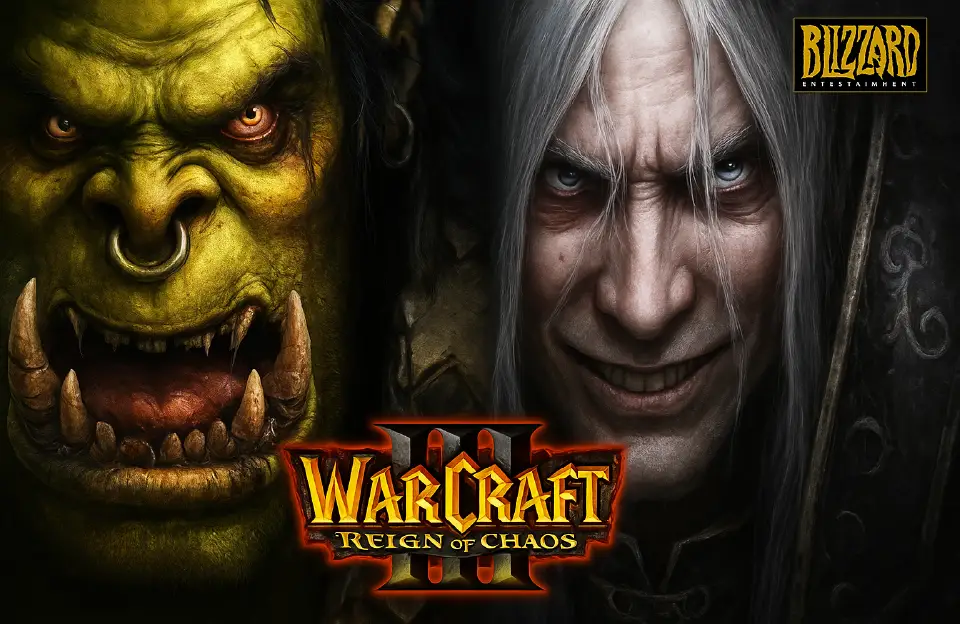
Its journey began with Warcraft: Orcs & Humans (1994), an RTS title that set the foundation for the series. Its sequel, Warcraft II: Tides of Darkness (1995), expanded the lore and gameplay, cementing Warcraft as a leader in the RTS genre. The franchise reached new heights with Warcraft III: Reign of Chaos (2002), a critically acclaimed title that introduced complex narratives, powerful heroes, and the seeds of what would become its most famous spinoff: World of Warcraft.
The Rise of World of Warcraft
In 2004, Blizzard launched World of Warcraft (WoW), a massively multiplayer online role playing game (MMORPG) that forever changed the gaming landscape. WoW allowed millions of players around the globe to explore the vast world of Azeroth, embark on epic quests, and join either the Alliance or the Horde in their struggle for dominance. With countless expansions, updates, and events, World of Warcraft became the most popular MMORPG in history, earning both critical acclaim and commercial success.
Expanding the Warcraft Universe
While RTS and MMORPGs are at the heart of the franchise, it has expanded into various genres and media:
- Hearthstone (2014): A digital collectible card game based on Warcraft lore.
- Warcraft Rumble (2023): A mobile strategy game offering fast paced, accessible gameplay.
- Novels, comics, and tabletop RPGs: Deepening the lore and character development.
- Warcraft: The Movie (2016): Bringing Azeroth’s story to the big screen.
This broad expansion has allowed fans to experience its universe in different ways, whether through competitive card battles, casual mobile play, or immersive storytelling.
Azeroth: A World of Endless Stories
The game’s universe is primarily located on the planet Azeroth, a vibrant and war torn world filled with magic, myth, and mystery. Unlike many fantasy settings, it is notable for its diverse range of races and factions. Players encounter humans, elves, dwarves, and gnomes, but also orcs, trolls, tauren, and undead many of which are given depth, complexity, and even roles as protagonists. This emphasis on so-called “monster races” sets Warcraft apart, giving its stories a moral richness and unique perspective.
Cultural Impact and Legacy
It is more than a game it is a cultural phenomenon. With over $12 billion in revenue, it stands among the highest-grossing video game franchises of all time. The RTS titles are remembered as landmarks of the strategy genre, while World of Warcraft is celebrated as the most influential MMORPG ever created. Beyond sales and reviews, it has shaped the way players experience online worlds, inspired countless creators, and fostered one of the most passionate gaming communities in existence.
For nearly three decades, it has captivated players with its blend of strategy, storytelling, and world building. From the early days of Orcs & Humans to the global phenomenon of World of Warcraft, the franchise has proven its staying power and cultural significance. With ongoing games, media expansions, and a loyal fan base, it continues to thrive as one of the most beloved fantasy franchises of all time.
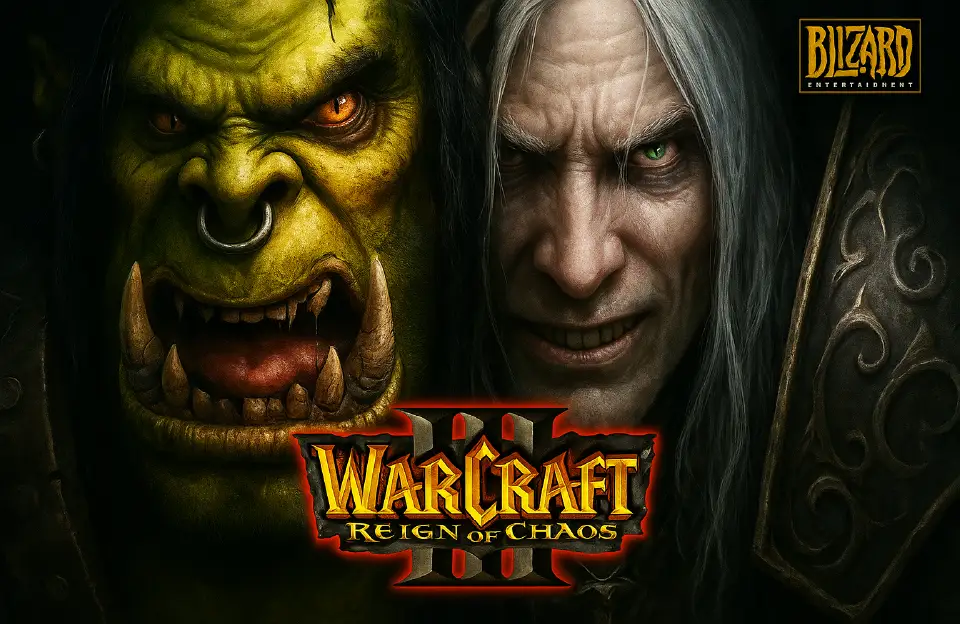
It is considered a legend in the gaming world primarily because of its rich and detailed universe. In a world like Azeroth, interwoven stories, diverse races, and memorable characters draw players deeply into the experience, while its groundbreaking strategy mechanics set it apart in the genre. Warcraft: Orcs & Humans and its sequels brought real time strategy games to their peak, while World of Warcraft redefined online multiplayer experiences, fostering a strong community and social interaction. Additionally, the modding capabilities of Warcraft III enabled the creation of new genres, such as DotA, leaving a lasting impact on the gaming industry. All these elements make it not just a game, but a cultural phenomenon that has left an enduring mark.
Blizzard Entertainment: Gaming Industry Pioneer and Entertainment Giant
Blizzard Entertainment stands as one of the most influential video game developers and publishers in the gaming industry. Founded in 1991 as Silicon & Synapse, the company later became Blizzard Entertainment and has since created some of the most iconic and commercially successful video game franchises in history.
Major Game Franchises and Titles
Blizzard Entertainment is renowned for developing legendary gaming franchises that have defined entire genres:
World of Warcraft remains one of the most successful massively multiplayer online role playing games (MMORPGs) ever created, launching in 2004 and maintaining millions of active subscribers worldwide. The game revolutionized online gaming and established the subscription-based MMORPG model.
Diablo series pioneered the action role playing game (ARPG) genre, with Diablo, Diablo II, and Diablo III becoming cult classics among PC gamers. The franchise is known for its dark fantasy setting, addictive loot mechanics, and cooperative gameplay.
StarCraft franchise became synonymous with real time strategy (RTS) gaming, particularly in competitive esports. StarCraft and StarCraft II are considered among the most balanced and skill intensive strategy games ever developed.
Overwatch marked Blizzard’s successful entry into the first person shooter (FPS) market, featuring hero based gameplay and becoming a major esports title with the Overwatch League.
Hearthstone: Heroes of Warcraft established Blizzard’s presence in the digital card game market, becoming one of the most popular collectible card games on mobile and PC platforms.
Company History and Milestones
Blizzard Entertainment was acquired by Vivendi Universal in 1998 and later became part of Activision Blizzard following the merger in 2008. The company is headquartered in Irvine, California, and maintains development studios worldwide.
Industry Impact and Innovation
Blizzard Entertainment has consistently pushed the boundaries of game development through:
- High production values and polished gameplay mechanics
- Strong narrative storytelling and world building
- Innovative online gaming infrastructure with Battle.net
- Commitment to post launch content and community support
- Leadership in esports development and competitive gaming
Recent Developments
The gaming giant continues to evolve with new projects, expansions to existing franchises, and adaptation to changing market trends including mobile gaming and cloud gaming services. The company remains a key player in the global gaming market with billions in annual revenue.
Blizzard Entertainment’s influence on gaming culture, esports, and the broader entertainment industry continues to shape how video games are developed, marketed, and played worldwide