
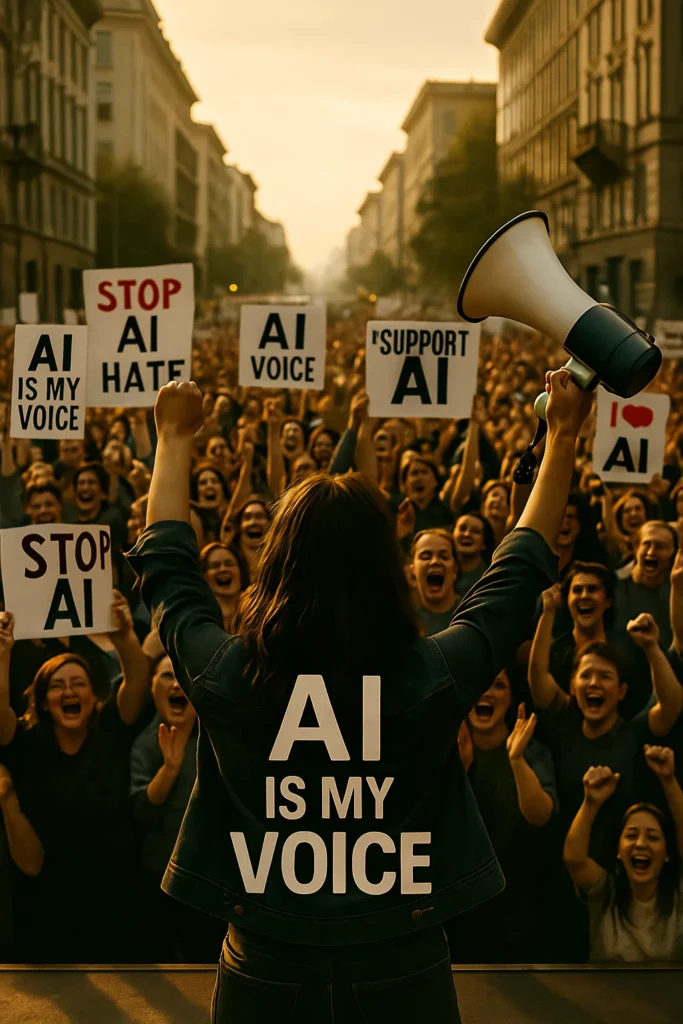
Understanding ChatGPT and Its Capabilities
ChatGPT, developed by OpenAI, stands as a significant advancement in artificial intelligence, specifically in the realm of natural language processing. As an AI-powered language model, it has been engineered to comprehend and generate human-like text, making it an invaluable tool for various applications. Its capabilities extend across writing, editing, research assistance, automation, and educational learning, positioning it uniquely to enhance productivity for a diverse range of users, including content creators, entrepreneurs, and knowledge workers.
One of the primary functions of ChatGPT is its ability to assist with writing and editing tasks. By generating coherent and contextually relevant text, it serves as a virtual co-writer, allowing users to brainstorm ideas, draft articles, or refine existing documents efficiently. This capability is particularly beneficial for content creators who operate under tight deadlines and need to produce high-quality material quickly.
Beyond content creation, ChatGPT serves as a powerful research assistant. It can identify key concepts, summarize lengthy texts, and provide relevant information on various topics, thereby streamlining the research process. This feature is immensely helpful for entrepreneurs and professionals seeking to gather insights while minimizing time spent on information retrieval.
Moreover, automation is another significant aspect of ChatGPT. By automating routine tasks, such as responding to customer inquiries or generating standard reports, users can focus on more complex activities, ultimately enhancing overall productivity. This integration of automation appeals to knowledge workers who often juggle multiple tasks and priorities.
Additionally, ChatGPT facilitates learning through personalized responses and accessible information. By leveraging its capabilities, users can deepen their understanding of diverse subjects, thereby fostering continual personal and professional growth. In essence, the multifaceted features of ChatGPT offer an effective means of maximizing productivity across various user demographics.
Setting Clear Goals for AI Assistance
Setting clear goals when utilizing ChatGPT is paramount for maximizing productivity and ensuring that the AI is effectively integrated into your workflows. The primary objective of using AI tools like ChatGPT should be to streamline tasks and enhance output quality. By defining specific targets, users can guide the AI to align with their needs and achieve greater efficiency.
One critical aspect to consider when defining goals is establishing task-specific targets. By identifying the specific tasks that you want ChatGPT to assist with, you create a framework that allows the AI to understand your expectations accurately. For instance, if you require assistance in content generation, specifying the tone, style, and purpose of the content can lead to more relevant outputs tailored to your requirements.
Another vital objective should focus on output quality standards. Users should have a clear understanding of what constitutes a successful outcome when interacting with ChatGPT. This includes considerations such as coherence, relevance, and alignment with the intended messaging. Providing the AI with examples and feedback can further refine its outputs, ensuring they meet the desired quality benchmarks.
Moreover, time-saving objectives are essential for those looking to enhance productivity. Recognizing how ChatGPT can abbreviate lengthy processes allows you to allocate your resources more strategically. By setting timelines for each task, you can better assess how efficiently the AI is functioning, ultimately leading to improved workflows. As your familiarity with the tool grows, you may find additional ways to leverage its potential to meet or exceed your productivity goals.
Incorporating these elements into your strategy when using ChatGPT will enhance its effectiveness and allow you to harness its capabilities to their fullest extent.
Crafting Effective Prompts
Effective prompt engineering stands as a cornerstone for maximizing productivity with ChatGPT. A well-structured prompt serves not only as an instruction but also as a steering mechanism for the model, guiding it toward delivering the desired outputs. Given that ChatGPT generates responses based on the input provided, the specificity of prompts significantly influences the relevancy and accuracy of the information retrieved.
One of the key strategies for crafting effective prompts lies in the principle of specificity. Vague prompts can lead to ambiguous results. For instance, instead of asking “Tell me about productivity,” a more detailed prompt like “What are the best strategies for increasing workplace productivity in a remote setting?” would yield far more actionable insights. By being precise, users ensure that the model can hone in on the exact information needed, reducing the chances of receiving irrelevant responses.
Providing context is equally essential in prompt creation. When users frame their queries by incorporating background information or specifying the type of response preferred, it sets the stage for better interaction with the model. For example, a prompt phrased as “As a business analyst, how would you recommend improving project management workflows?” not only defines the audience but also narrows the model’s focus, enhancing the quality of the response.
Iterative prompting is another strategy to refine outputs, involving a process where users progressively adjust their prompts based on previous interactions with ChatGPT. This trial-and-error method allows users to learn from prior exchanges, gradually honing their input until the desired output is achieved. Each iteration can incorporate lessons learned, any gaps identified, and nuances overlooked, leading to progressively more efficient responses over time.
By integrating these strategies—specificity, contextualization, and iterative prompting—users can forge a more productive relationship with ChatGPT, resulting in clear, actionable, and relevant outputs that meet their needs effectively.
Automating Repetitive Tasks
In the realm of productivity, automating repetitive tasks is essential to streamline workflows and enhance efficiency. ChatGPT, an advanced AI language model, offers a myriad of applications that can significantly reduce the time spent on mundane activities. By incorporating ChatGPT into your daily routine, professionals can focus more on strategic thinking and creative endeavors while allowing the automation of repetitive tasks to handle potentially time-consuming responsibilities.
One notable application of ChatGPT is drafting emails. Whether it is responding to inquiries or sending out routine announcements, ChatGPT can generate email responses based on predefined guidelines, thus saving valuable time for users. This capability not only accelerates correspondence but also ensures consistent messaging across communications, minimizing the risk of errors often encountered with manually crafted messages.
Another area where ChatGPT can excel is summarizing documents. In today’s fast-paced environment, professionals frequently encounter lengthy reports and articles. By using ChatGPT to condense information, users can quickly garner essential insights without wading through extensive text. This functionality is particularly beneficial for decision-makers who must remain informed while managing multiple responsibilities.
Additionally, ChatGPT can assist in generating meeting agendas and minutes. Preparing for meetings often requires considerable effort in compiling discussion points and action items. With ChatGPT, users can create structured agendas based on prior meeting notes or specific objectives, fostering a more organized and effective meeting experience. Furthermore, after meetings have concluded, ChatGPT can automate the drafting of minutes, ensuring that important outcomes are documented efficiently.
Lastly, creating content templates for recurring tasks, such as reports or presentations, becomes substantially easier with ChatGPT. By establishing frameworks that can be automatically filled, users can maintain a consistent format while dedicating more time to the substance of their work. Through automating these routine tasks, professionals can reclaim time and redirect their efforts toward strategic and innovative activities.
Integrating ChatGPT with Productivity Tools
The integration of ChatGPT with existing productivity tools is a game changer for enhancing workflows and maximizing efficiency. Numerous applications, including project management software, writing aids, and communication platforms, can seamlessly incorporate ChatGPT to improve user experience and operational effectiveness. By leveraging the capabilities of ChatGPT, organizations can streamline their processes and elevate their productivity standards.
Project management software such as Trello, Asana, and Monday.com can benefit significantly from the conversational abilities of ChatGPT. Users can interact with the AI to create, assign, and prioritize tasks, ensuring that team members remain aligned and informed. Furthermore, ChatGPT can provide timely reminders, suggest deadlines, and offer updates on project milestones, effectively acting as a virtual project manager. This integration fosters a collaborative environment, prompting teams to stay focused and engaged in their objectives.
In the realm of writing and content creation, tools like Google Docs and Microsoft Word can harness the power of ChatGPT to assist with brainstorming, drafting, and editing. Writers can solicit ideas or seek grammatical corrections, enabling them to create polished content more efficiently. By facilitating feedback loops, ChatGPT can transform the writing process, empowering authors to concentrate on creativity while minimizing time spent on revisions.
Communication platforms such as Slack and Microsoft Teams can also enhance their functionality by integrating ChatGPT. Employees can utilize the AI to summarize discussions, extract key points, and even generate responses to common queries. This capability streamlines communication and reduces information overload, which can contribute to improved team dynamics and collaboration. ChatGPT’s adaptability allows it to blend seamlessly into various workflows, ensuring that teams can leverage its benefits in their daily operations.
By integrating ChatGPT with productivity tools, organizations can enhance their efficiency and boost overall productivity levels. Embracing this technology promotes a more streamlined approach to task management and day-to-day operations, making ChatGPT an invaluable resource for any team striving for success.
Staying Organized with AI Assistance
In the realm of productivity, maintaining organization is paramount, especially when leveraging AI-generated outputs like those produced by ChatGPT. A well-structured approach not only enhances accessibility but also maximizes the utility of AI-generated content. To begin with, creating a logical system for managing files is essential. Utilizing folders and subfolders allows users to categorize content by project, date, or topic, making it easier to retrieve specific outputs when needed. This hierarchical organization can be complemented by using consistent naming conventions, which further aids in quick identification.
Alongside folder organization, implementing tagging systems can significantly enhance searchability. Tags can encapsulate key themes or concepts related to the AI-generated content, enabling users to filter through large volumes of information efficiently. This method reduces the time spent searching for relevant outputs, ultimately contributing to greater productivity. Furthermore, adapting a robust version control system ensures that users can track changes made to AI-generated texts, preventing the loss of critical insights or ideas. Utilizing collaborative tools that support version tracking can help maintain clarity over various iterations.
Additionally, it’s crucial to monitor productivity gains resulting from AI assistance. This could involve setting specific benchmarks or performance indicators that quantify improvements in task completion time or quality of work. Regularly reviewing these metrics helps users understand how effectively they are incorporating AI into their workflows and where adjustments might be necessary. By combining thoughtful organization with productivity tracking, individuals can harness the full potential of ChatGPT, ensuring that AI resources contribute meaningfully to their professional endeavors.
Ethical and Smart Usage
As the capabilities of artificial intelligence systems like ChatGPT expand, it becomes increasingly important to address the ethical considerations surrounding their use. A crucial aspect of utilizing ChatGPT responsibly is the need for diligent fact-checking of the information it generates. While the AI can deliver impressive responses, it is essential to remember that its outputs may not always be accurate or up-to-date. Users should independently verify any crucial facts or data derived from AI-generated content to ensure that decisions are based on sound, verified information.
Privacy is another critical concern when using ChatGPT. Users must be cautious regarding the kind of information they share with the AI, as sensitive personal data could potentially be compromised. It is advisable to refrain from submitting any private or confidential information during interactions, fostering a safer environment while maximizing productivity. Furthermore, adhering to data protection regulations and best practices is essential to safeguard personal privacy.
Another important consideration is the danger of over-reliance on AI technology. While ChatGPT can significantly enhance efficiency and streamline workflows, it should not replace human judgment or expertise. Striking a balance between leveraging the tool’s strengths and maintaining one’s critical thinking abilities is vital. Users should utilize ChatGPT as a supportive resource while actively engaging in the decision-making process. This allows for an informed, thoughtful approach that leverages AI while still valuing human input and perspective.
Overall, embracing ethical considerations in the utilization of ChatGPT is essential for ensuring maximum productivity while respecting privacy and maintaining sound judgment. By exercising caution, verifying information, and keeping a balanced perspective, individuals can effectively incorporate this powerful tool into their productivity toolkit.
Real-Life Case Studies
As organizations increasingly turn to artificial intelligence to enhance operations, the implementation of ChatGPT has emerged as a notable strategy for augmenting productivity. Several case studies illustrate how this technology can be seamlessly integrated into various productivity frameworks, yielding impressive results.
One prominent example involves a prominent marketing agency that adopted ChatGPT for content creation and client engagement. By harnessing the AI’s capabilities, the agency was able to streamline its workflow significantly. Tasks such as drafting blogs, creating social media posts, and responding to client inquiries were automated to a large extent, allowing team members to focus on higher-level strategic initiatives. This transition not only increased the output of content but also improved the overall quality, as AI-generated drafts often required minimal revisions, thereby facilitating quicker turnarounds.
Another case study centers on a multinational corporation that integrated ChatGPT into its customer service operations. By deploying AI chatbots powered by ChatGPT, the organization managed to reduce the average response time to customer queries from several hours to mere minutes. The chatbot was trained on FAQs and product information, providing accurate and timely support. This implementation resulted in a marked increase in customer satisfaction scores, showcasing how AI can enhance service quality while allowing human agents to tackle more complex issues that require personal attention.
Educational institutions have also benefited from using ChatGPT to aid students in their studies. A university utilized the AI as a writing assistant, helping students brainstorm ideas and structure their essays more effectively. By incorporating this technology into the academic experience, the institution observed a significant improvement in students’ writing skills and overall engagement with course materials, reflecting the versatility of ChatGPT in promoting productivity across different sectors.
Common Pitfalls and How to Avoid Them
When leveraging ChatGPT as a productivity tool, users may encounter a series of common pitfalls that can hinder their effectiveness. By being aware of these challenges, individuals can optimize their usage and maximize productivity. One significant mistake is using vague or ambiguous prompts, which often lead to unsatisfactory outcomes. To avoid this, it is crucial to craft well-defined questions or requests. For instance, instead of asking, “Can you help me with my project?”, a more specific prompt like, “What are the key components I should include in my project proposal on renewable energy?” will yield more targeted and useful responses.
Another frequent pitfall is over-dependence on ChatGPT for tasks that would benefit from human judgment and creativity. While ChatGPT can provide valuable insights and generate ideas, it should not replace critical thinking and personal input. Users should maintain a balanced approach by utilizing ChatGPT to supplement their efforts rather than solely relying on it. Integrating human expertise with AI-generated content helps ensure a higher quality of work and fosters innovation.
Neglecting the revision process is yet another common mistake. Many users may take the output provided by ChatGPT at face value, overlooking the importance of reviewing and refining the content. AI-generated text may contain inaccuracies or misinterpretations, necessitating careful editing to align with the desired quality and context. To mitigate this risk, users should allocate dedicated time for revisions after generating content, ensuring that it meets their standards before finalization.
By addressing these pitfalls—vague prompting, over-dependence, and neglecting revisions—users can effectively navigate their productivity journeys with ChatGPT, fostering a more rewarding experience while using this advanced tool.
Conclusion: Embracing AI for Enhanced Productivity
In this comprehensive guide, we have explored the immense potential of ChatGPT as a powerful tool for enhancing productivity in both personal and professional environments. Understanding the myriad capabilities of this AI technology is crucial for users looking to maximize the benefits it offers. By becoming familiar with its functionalities and limitations, individuals can better harness ChatGPT to address various tasks effectively, thereby streamlining their daily operations.
Setting clear and achievable goals is another fundamental aspect of successfully integrating AI into one’s workflow. When users define their objectives with precision, they can guide ChatGPT’s outputs toward specific outcomes, ultimately ensuring a more productive experience. Whether it is drafting content, brainstorming ideas, or solving complex problems, having distinct targets allows users to take full advantage of the AI’s capabilities.
Moreover, adhering to best practices when utilizing ChatGPT promotes a more efficient interaction with the AI. Familiarizing oneself with effective prompts, encouraging clarity, and providing context are essential steps that enhance the overall quality of responses received. As users cultivate a disciplined approach to using ChatGPT, they are likely to find themselves embracing creativity and innovation that the AI enables.
Ultimately, the mindful integration of ChatGPT into one’s routine holds the promise of significant advancements in productivity. As we have highlighted, the balance between leveraging AI technology and maintaining human oversight is key to experiencing the full spectrum of benefits it can provide. By embracing ChatGPT thoughtfully, individuals can unlock new dimensions of efficiency, creativity, and ultimately, success in their endeavors.