
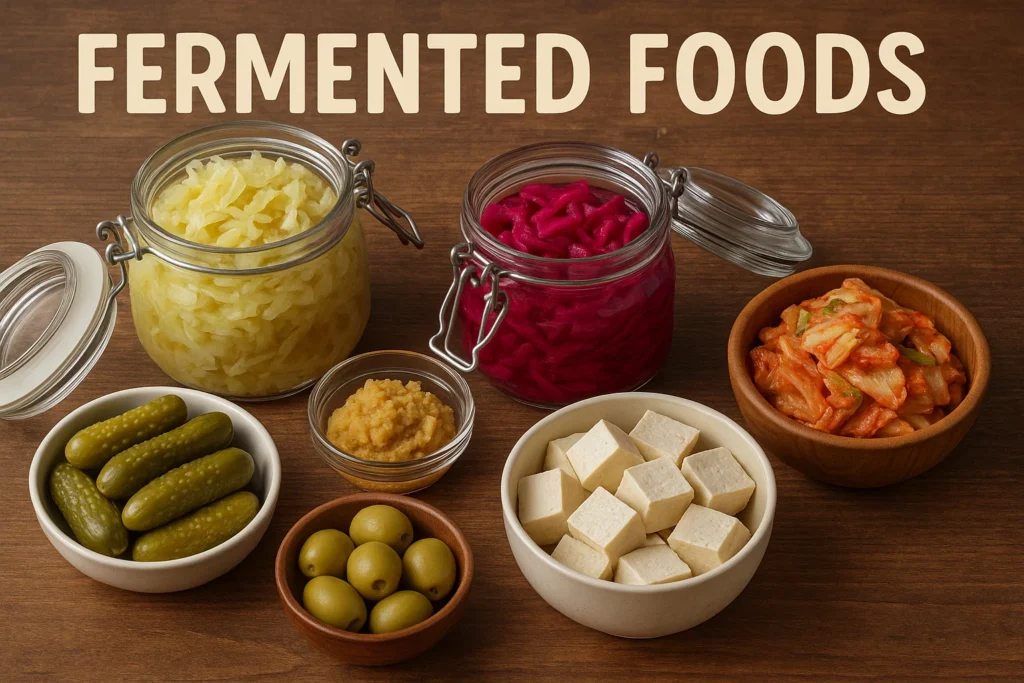
Introduction to Fermented Foods
Fermented foods have been a vital part of human diets for centuries, offering not only preservation but also an array of health benefits. At its core, fermentation is a biological process where microorganisms, such as bacteria, yeast, or molds, convert sugars and starches into acids, gases, or alcohol. This transformation is largely facilitated through lactic acid fermentation, which is the most common method employed in making various fermented foods.
The history of fermented foods dates back thousands of years, with evidence suggesting that ancient civilizations relied heavily on these processes to extend the shelf life of perishable items. Cultures around the world, from the East Asian kimchi to European sauerkraut, have developed unique fermented products tailored to their local ingredients and tastes. This traditional practice not only maximized the usability of resources but also enriched diets with probiotics, enhancing gut health.
Understanding fermented foods is essential for anyone looking to incorporate them into their diet. Recognizing how these foods are made and how they contribute to health can transform the culinary experience. This guide aims to elucidate the process of creating homemade fermented foods, making it accessible for beginners looking to explore this time-honored tradition.
Health Benefits of Homemade Fermented Foods
Fermented foods have been a staple in numerous cultures around the globe for centuries. Their growing popularity in contemporary diets can be attributed to the myriad health benefits they offer. One of the most significant advantages of incorporating homemade fermented foods into your diet is their positive impact on gut health. These foods are rich in probiotics, which are beneficial bacteria that help maintain a balanced microbiome. A diverse and flourishing gut flora plays a pivotal role in digestive health and can alleviate issues such as bloating, gas, and irregular bowel movements.
In addition to improving gut health, fermented foods can also enhance the immune system. Research suggests that a healthy gut contributes to immune function, as a significant portion of the immune system resides within the gastrointestinal tract. By consuming foods such as yogurt, kimchi, and sauerkraut, you may bolster your body’s defenses against infections and inflammatory diseases, thus allowing for better overall health.
Furthermore, homemade fermented foods often offer enhanced flavor profiles compared to their non-fermented counterparts. The fermentation process not only alters the texture and aroma but also introduces unique tastes that can elevate any dish. This makes it easier to incorporate wholesome ingredients into meals while enjoying their distinctive flavors.
Natural food preservation is another essential benefit of homemade fermented foods. The fermentation process allows for extended shelf life, enabling food enthusiasts to reduce waste and preserve seasonal produce efficiently. By enjoying these preserved items, individuals can continue to reap their health benefits long after their peak season has passed.
With an understanding of these health benefits, it becomes evident that including fermented foods in your diet is a worthwhile endeavor, contributing significantly to overall wellness and enhancing your culinary experience.
Common Types of Fermented Foods
Fermented foods are diverse and represent a wide array of flavors and textures, making them an enriching addition to any diet. Among the most common types of fermented foods are sauerkraut, kimchi, kombucha, yogurt, and pickles. Each of these foods has unique ingredients and flavors that appeal to various taste preferences and dietary requirements.
Sauerkraut is a traditional fermented dish originating from cabbage. It is made by finely shredding cabbage and then adding salt, which encourages the growth of beneficial bacteria. The result is a tangy, crunchy side dish that pairs well with many meals. Sauerkraut is known for its distinct sour flavor, which develops as it ferments over several weeks.
Kimchi is another popular fermented food, primarily associated with Korean cuisine. Similar to sauerkraut, kimchi is made from vegetables, but it often includes a variety of ingredients such as garlic, ginger, chili peppers, and fish sauce. This results in a spicy, umami-rich flavor. There are numerous regional variations and recipes, making kimchi a versatile option for those interested in exploring fermentation.
Kombucha is a fermented tea beverage that has gained popularity in recent years. It is created by brewing tea and adding sugar, which becomes food for a symbiotic culture of bacteria and yeast known as a SCOBY. This process results in a fizzy, slightly sweet beverage that contains beneficial probiotics. Kombucha can be flavored with fruits or herbs, offering a wide range of tastes to suit individual preferences.
Yogurt is a well-known fermented dairy product that is made by introducing bacterial cultures to milk. The fermentation process thickens the milk and imparts a tangy flavor, resulting in a creamy texture. Yogurt is a staple in many diets and can be enjoyed plain or flavored, making it a versatile ingredient in both sweet and savory dishes.
Lastly, pickles encompass a variety of vegetables that are preserved through fermentation or vinegar. The classic cucumber pickle is made by soaking cucumbers in brine, allowing them to absorb flavors while developing a crunchy texture. Pickles can be altered in spice and flavor, offering an exciting array of options to enhance their taste profiles.
Choosing the Right Ingredients for Fermentation
When embarking on the journey of making homemade fermented foods, the selection of fresh and high-quality ingredients is paramount to achieving successful results. The quality of the ingredients not only influences the flavor but also the health benefits associated with fermented foods. Sourcing organic produce is often recommended as it reduces the risk of pesticide contamination, which can adversely affect both the fermentation process and the end product.
Start by selecting fruits and vegetables that are in season, as they are likely to have the best flavor and nutritional profile. Varieties such as cabbage, carrots, cucumbers, and beets are highly popular for fermentation due to their natural sugars and texture. Additionally, opting for organic carrots or cucumbers ensures that you are using produce that has been cultivated without synthetic fertilizers or harmful chemicals, increasing the safety and quality of your ferments.
Fruits such as apples, pears, and berries can also be fermented and are excellent choices. Their natural sugars not only assist in the fermentation process but also contribute to the overall palatability of the final product. When selecting fruits, look for those that are ripe yet firm, as overly soft fruits may not ferment well and could lead to less desirable flavors.
For those interested in dairy-based fermentation, choosing high-quality milk or cream from grass-fed cows can elevate the quality of your homemade yogurt or cheese. Raw milk, if available, is often recommended as it contains beneficial bacteria that can enhance the fermentation process. In summary, the key to successful fermentation lies in the careful selection of fresh, organic ingredients, which ensures a flavorful and nutritious end product.
Step-by-Step Guide to Homemade Fermented Foods
Making homemade fermented foods is a rewarding endeavor that not only enhances the flavor of your meals but also contributes to your overall health. To begin, it is essential to gather the required ingredients and tools. Fresh vegetables, fruits, or dairy products serve as the primary ingredients, while non-iodized salt, pure water, and, if applicable, starter cultures are also necessary. Proper equipment, including glass jars and airtight lids, will facilitate the fermentation process.
Once your ingredients are ready, the first step in the fermentation process is proper preparation. If you are fermenting vegetables, for example, ensure they are fresh and clean. Cut them into appropriate sizes and place them in a mixing bowl. Dissolve the non-iodized salt in water to create a brine, then pour this over your vegetables. The salt not only adds flavor but also helps inhibit harmful bacteria while promoting the growth of beneficial microorganisms.
Starter cultures, if used, play a significant role in the fermentation process by introducing specific strains of bacteria. This is particularly true for dairy ferments like yogurt or kefir, which require a culture to kickstart the fermentation. For vegetable ferments, it is often not necessary, as naturally occurring bacteria on the vegetables can suffice.
Once everything is prepared, transfer the mixture into your glass jars, packing them tightly to remove air bubbles. Seal the jars, leaving some space at the top for expansion during fermentation. The timeline for fermentation varies depending on the type of food. For example, sauerkraut generally takes about 2 to 4 weeks at room temperature, while yogurt may ferment in 6 to 12 hours. Regularly check the progress to ensure optimal flavor development and to monitor for any signs of spoilage.
Ultimately, engaging in the step-by-step process of making homemade fermented foods allows individuals to enjoy delicious, health-promoting options right in their own kitchens.
Monitoring the Fermentation Process
Effectively monitoring the fermentation process is crucial for achieving optimal flavor and ensuring the safety of homemade fermented foods. As fermentation is a natural metabolic process, being aware of the signs of activity and changes can guide you in managing the conditions that promote successful outcomes.
One of the first signs to look for during fermentation is the formation of bubbles or gas. This is indicative of yeast activity and is particularly prominent in fermented beverages, such as kombucha. In vegetable fermentation, you might notice that the contents in the jar begin to cloud, and there could be visible bubbling as well. These are positive signs that fermentation is occurring. However, always be attentive to undesirable molds, which can appear as fuzzy spots on the surface. If mold is observed, it is crucial to discard the batch, as it can compromise both the quality and safety of the food.
Tasting the fermented product at various stages is also an essential part of the monitoring process. As fermentation progresses, flavors develop and evolve. You may prefer a milder flavor or a more pronounced tang; thus, regularly sampling allows you to determine your preferred taste profile. It is prudent to use clean utensils to avoid contamination.
Moreover, maintaining the ideal conditions during fermentation greatly affects the outcome. Most fermented foods thrive in a cool, dark environment, typically between 60°F (15°C) and 75°F (24°C). Temperature fluctuations can alter the fermentation rate; therefore, a stable environment should be sought. It is also wise to keep jars covered with a breathable material, such as cheesecloth, to allow gases to escape while preventing contaminants. Ultimately, these careful observations and adjustments will help ensure successful fermentation while preserving the quality of your homemade foods.
Storage and Shelf Life of Fermented Foods
Once your fermented foods have completed the fermentation process, proper storage is essential to maintain their quality and extend their shelf life. These foods, such as kimchi, sauerkraut, and yogurt, are rich in beneficial probiotics, but they also require specific conditions to remain safe and tasty. The ideal way to store fermented foods is in glass jars or containers that offer an airtight seal, which prevents exposure to air and helps to preserve the flavors and beneficial bacteria within.
When it comes to refrigeration, maintaining a consistent temperature is crucial. Ideally, fermented foods should be stored in the main compartment of the refrigerator rather than in the door, where temperatures can fluctuate. The optimal storage temperature for most fermented foods is between 32°F and 40°F (0°C to 4°C). This cold environment not only slows down the fermentation process significantly but also reduces the risk of spoilage, ensuring that the foods remain fresh and wholesome for an extended period.
The shelf life of fermented foods varies depending on the type and preparation method. Typically, homemade sauerkraut and kimchi can last in the refrigerator for several months, sometimes up to six months, while fermented dairy products like yogurt may have a slightly shorter shelf life of about three weeks. It’s important to regularly check for any signs of spoilage, such as off odors or unusual discoloration. Remember that the flavor of fermented foods may intensify over time, which is a normal part of their aging process.
In conclusion, understanding the proper storage methods and expected shelf life of your fermented foods is vital for maintaining their quality and safety. By following these tips, you can enjoy the health benefits of homemade fermented foods while minimizing waste and maximizing taste.
Tips for Successful Fermentation
Embarking on the journey of homemade fermented foods can be highly rewarding, yet beginners must adhere to certain guidelines to ensure successful fermentation. One of the paramount aspects is maintaining proper hygiene throughout the process. It is crucial to work in a clean environment, using sanitized utensils and containers. This prevents unwanted microbes from contaminating the fermentation, which could compromise the results and lead to undesirable flavors or spoilage.
Another important factor is adjusting salt and sugar levels appropriately. Salt acts not only as a preservative but also enhances the flavor of the final product. For many fermented foods, such as sauerkraut or pickles, a concentration of around 2-3% in relation to the total weight of vegetables is recommended. Too much salt can hinder fermentation, whereas too little can promote the growth of harmful bacteria. Similarly, sugar levels must be balanced, as they provide food for the fermenting organisms while also affecting taste.
Experimenting with flavors can make the fermentation process an enjoyable venture. Incorporating herbs, spices, or even fruits can enhance the complexity of flavors in your final product. However, beginners should start with small additions, since the impact of flavors can vary greatly during fermentation. Remember that fermentation is a natural process that can produce surprising results.
Lastly, practicing small batch fermentation is advisable for novices. It allows for easier management and reduces waste should any batch fail to meet your expectations. Small batches provide the opportunity to experiment without a significant commitment of time or resources. As you grow more comfortable with the process, gradually scaling up can lead to exciting new creations. By following these tips, beginners can embark on a fulfilling journey into the world of fermented foods.
Embracing the World of Fermentation
Homemade fermented foods represent not merely a method of food preservation but also a journey into the realms of health and flavor. As you’ve learned through this guide, fermentation serves as a bridge between traditional culinary practices and modern dietary needs, providing foods enriched with probiotics that promote gut health. The diverse landscape of fermented foods—from tangy sauerkraut to creamy yogurt—offers an array of textures and tastes that can elevate any meal. Moreover, the process of creating these foods in your own kitchen transforms cooking into an engaging and satisfying experience.
By embracing the world of fermentation, you’re not only enhancing your dietary choices but also participating in a time-honored practice that has been cultivated across cultures and generations. The beauty of making homemade fermented foods lies in its accessibility; with just a few ingredients and tools, anyone can begin this rewarding endeavor. This hands-on approach fosters creativity, allowing you to experiment with flavors, textures, and techniques that suit your palate and dietary preferences.
As you embark on this fermentation journey, consider sharing your experiences with family and friends. Join online communities or local groups where fermentation enthusiasts gather, exchange recipes, and offer guidance. Such exchanges can provide invaluable support and inspiration as you navigate this fascinating aspect of cooking. Each batch you create is unique, a testament to your personal touch and the local environment, making your fermented foods truly one of a kind.
Ultimately, the world of homemade fermented foods invites exploration and experimentation. By stepping into this vibrant culinary realm, you not only nourish your body but also enrich your practices in the kitchen. Embrace the adventure, enjoy the process, and savor the tangy rewards of your homemade creations.