
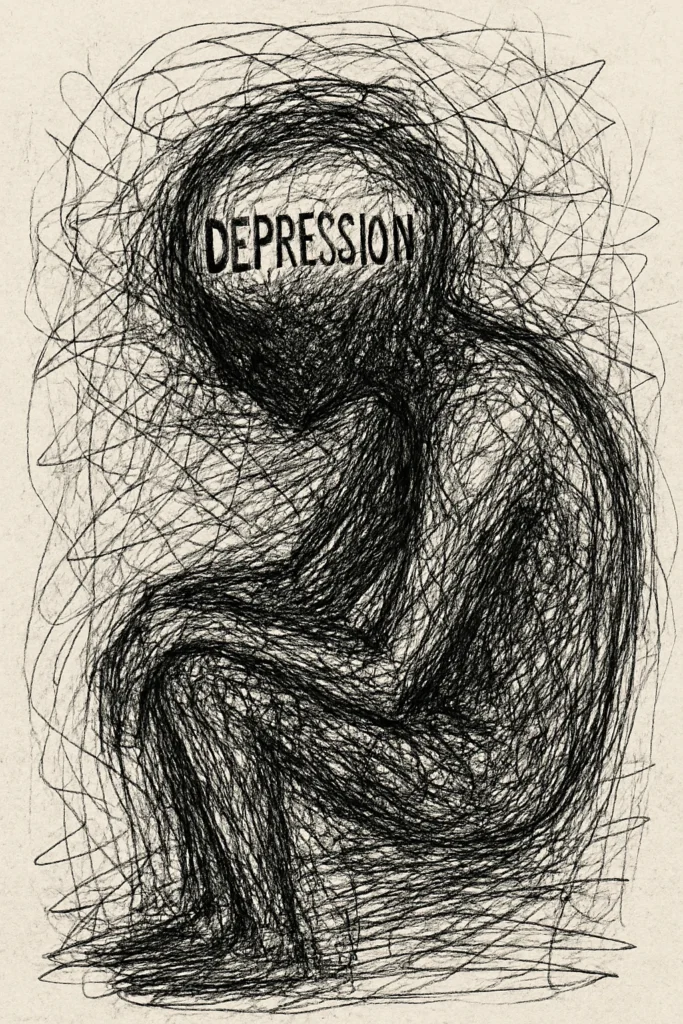
How to Stop Feeling Hopeless (Even on Your Worst Days)
Hopelessness can feel like a heavy cloud that never goes away. It’s that sinking belief that nothing will ever change, that you’ll always be stuck, and that life has lost its meaning. If you’re here, you may be carrying that weight right now—and I want you to know something important: you are not alone.
Everyone feels hopeless at some point in life, whether because of loss, failure, depression, or burnout. The good news is that hopelessness is not permanent. Just like a storm, it passes. In this article, you’ll discover practical, compassionate steps to stop feeling hopeless—even on your worst days.
Why Do We Feel Hopeless?
Hopelessness doesn’t just appear out of nowhere. It usually grows out of a mix of life circumstances, mental health struggles, and the way our brains are wired.
- Life triggers: grief, financial problems, relationship struggles, chronic stress.
- Mental health factors: depression, anxiety, or burnout often make hopelessness worse.
- The brain’s negativity bias: our minds are designed to notice threats more than positives, which can trap us in cycles of despair.
But here’s the truth: hopelessness is not who you are—it’s just how you feel right now. And feelings can change.
How to Stop Feeling Hopeless: 7 Practical Steps
Step 1: Acknowledge the Feeling Without Judgment
The first step is to stop fighting against hopelessness. Pretending it isn’t there or shaming yourself for feeling it only makes it stronger. Instead, try saying:
“I feel hopeless right now, and that’s okay. It doesn’t define me.”
Writing about your feelings in a journal or practicing mindfulness can help you accept your emotions without being consumed by them.
Step 2: Break the Cycle with Small Wins
Hopelessness thrives on the belief that nothing will ever improve. You can challenge this by creating small, achievable wins.
Examples:
- Make your bed.
- Take a five-minute walk.
- Text a friend and say hello.
- Cook yourself a simple meal.
These little actions may seem insignificant, but each one gives your brain a tiny boost of dopamine, showing you that progress is possible.
Step 3: Reframe Negative Thoughts
Hopelessness often comes from repeating thoughts like:
- “I’ll never get better.”
- “Nothing will ever change.”
Cognitive reframing is a technique that helps you challenge these thoughts. Instead of “I’ll never get better,” try:
- “This is really hard, but it won’t last forever.”
- “I’ve survived tough times before, and I can again.”
It’s not about toxic positivity—it’s about being realistic but hopeful.
Step 4: Reach Out for Connection
When you feel hopeless, the natural instinct is to withdraw from others. But isolation makes hopelessness worse. Human connection—whether with a close friend, family member, or support group—reminds you that you don’t have to carry this weight alone.
Even sending a short message like “I’m having a rough day, can we talk?” can start breaking the cycle of loneliness.
Step 5: Focus on What You Can Control
Hopelessness often comes from feeling powerless. One way to fight this is to draw two circles on paper:
- Inner circle: things you can control (your actions, daily habits, how you speak to yourself).
- Outer circle: things you cannot control (other people’s opinions, the past, the future).
Redirect your energy to your inner circle. Small changes, like creating a daily routine or setting one achievable goal, give you back a sense of control.
Step 6: Practice Self-Compassion
Many people who feel hopeless are incredibly harsh on themselves. You might say things to yourself that you would never say to a friend.
Try flipping this script:
- Ask yourself: “If my best friend felt this way, what would I say to them?”
- Then, say that to yourself.
You can also write a compassionate letter to yourself, as if you were writing to someone you care deeply about. Over time, this softens the inner critic that fuels hopelessness.
Step 7: Seek Professional Help if Needed
If your hopelessness feels overwhelming or constant, please know that professional help is available. Therapists, counselors, and doctors are trained to guide people through these feelings.
Reaching out is not a sign of weakness—it’s a sign of courage. Sometimes medication or therapy provides the breakthrough needed to climb out of hopelessness.
When Hopelessness Becomes Dangerous
There’s a difference between feeling hopeless and being in crisis. If hopelessness comes with thoughts of suicide, self-harm, or giving up on life, this is a medical emergency.
- In the U.S., you can dial 988 for the Suicide & Crisis Lifeline.
- In the U.K., call Samaritans at 116 123.
- Elsewhere, look up your local crisis hotline or go to the nearest emergency room.
Your life matters, and immediate help is available.
Hopelessness can feel endless—but it isn’t. Even when your worst days whisper “nothing will ever change,” the truth is that healing is possible.
Start small. Pick one step from this article and try it today. Maybe it’s texting a friend, writing down your feelings, or simply getting out of bed. These small steps add up to momentum, and momentum brings hope back into your life.
You are stronger than you think, and you don’t have to go through this alone. Hope is not lost—it’s waiting to be rediscovered, one step at a time.
When someone remains stuck in depression for a long time, the impact can spread into almost every area of life. Depression does not only affect how you feel emotionally—it can also drain your energy, disturb your sleep, and make even small decisions feel overwhelming. Many people living with depression find it hard to keep up with work, school, or responsibilities at home, which can create even more stress and guilt.
Depression often isolates people, leading to broken connections with friends and family, and this isolation can make the depression feel even heavier. On a physical level, depression can increase the risk of heart problems, weaken the immune system, and cause long-lasting fatigue. But one of the most painful effects of depression is how it steals joy, hope, and motivation, leaving life feeling empty and meaningless.
This is why it is so important to work toward overcoming depression, even if the progress feels small at first. Every effort you make to fight depression—whether it is reaching out for help, building healthy habits, or learning coping skills—creates momentum toward recovery. Trying to heal from depression is not just about feeling better in the moment; it is about rebuilding a future where you can experience connection, meaning, and happiness again. Depression may convince you that change is impossible, but the truth is that depression is treatable, and every step you take against it brings you closer to taking your life back