
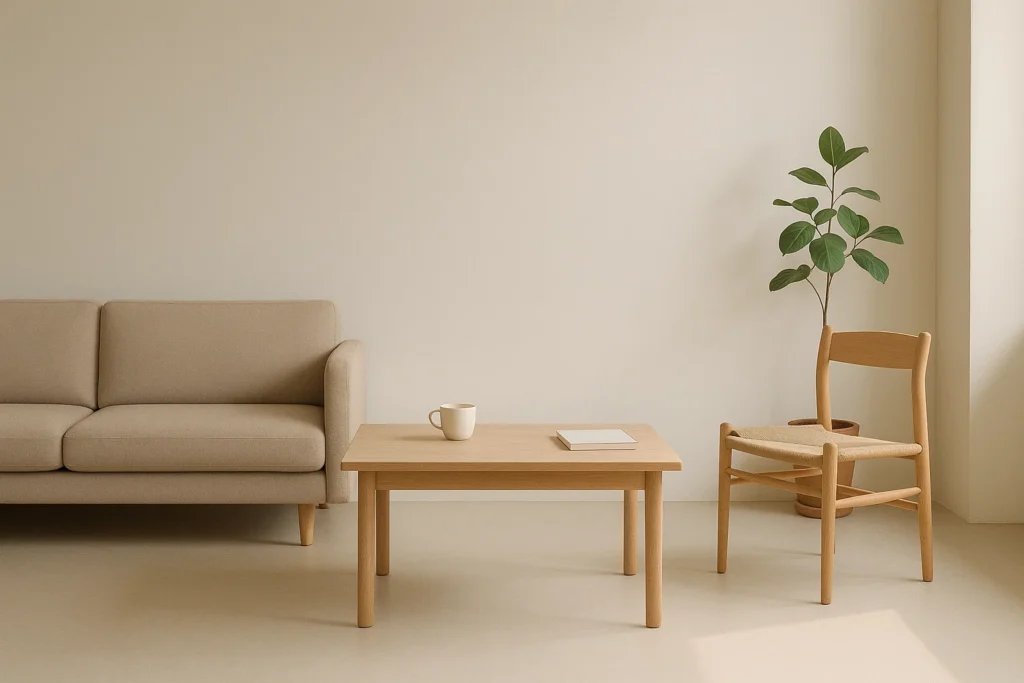
What is Minimalism?
Minimalism is a lifestyle philosophy that advocates for a life focused on intentionality and simplicity. At its core, minimalism goes beyond the mere act of decluttering one’s physical space; it involves a significant shift in how individuals prioritize their lives and values. Rather than falling prey to consumerism and the accumulation of material possessions, minimalism encourages individuals to reflect on what truly matters to them. This thoughtful approach fosters an environment where only the essential elements remain, paving the way for a clearer mindset.
Minimalism encompasses more than just having fewer possessions; it involves a comprehensive reevaluation of one’s lifestyle choices. Those who embrace minimalism often find that reducing distractions—be it through limiting physical belongings, digital clutter, or even toxic relationships—leads to heightened mental clarity. With fewer obligations and items vying for attention, many individuals experience a newfound freedom. This liberation allows people to focus their energies on personal relationships, health, and passions, ultimately leading to a more fulfilling existence.
The benefits of adopting a minimalist approach are manifold. Individuals often report enhanced productivity as they streamline their environments and tasks, allowing them to concentrate on what adds genuine value to their lives. Furthermore, living minimally can bring about reduced stress levels, as the burden of maintaining and organizing excess belongings diminishes. By aligning one’s living space with one’s values, there is a profound sense of alignment and simplicity that permeates daily routines. In essence, minimalism serves as a catalyst for personal growth, encouraging individuals to engage in a deliberate and meaningful way of living.
Benefits of a Minimalist Lifestyle
Adopting a minimalist lifestyle offers a multitude of advantages that can significantly enhance one’s quality of life. One of the most notable benefits is the reduction of stress. A tidy and decluttered environment fosters a sense of peace and tranquility. By minimizing the number of possessions, individuals often find that their surroundings become less distracting, allowing for better focus and mental clarity. This ease contributes to an overall sense of well-being, decreasing daily anxiety levels and improving emotional health.
Moreover, minimalism can directly contribute to financial freedom. By curbing unnecessary spending, individuals can redirect their financial resources toward meaningful experiences rather than material possessions. This shift not only alleviates the stress associated with financial burdens but also allows for greater investment in activities that promote personal growth and happiness. The conscious decision to purchase fewer items leads to substantial savings, creating opportunities for travel, education, or even building a savings account.
Transitioning to a minimalist lifestyle also frees up valuable time that can be dedicated to more meaningful activities. With fewer possessions to maintain and manage, individuals often discover they have more leisure time to engage in hobbies, cultivate relationships, and participate in community activities. This time can be spent nurturing passions or pursuing personal development, which may otherwise be sidelined in the hustle and bustle of a cluttered lifestyle.
Lastly, embracing minimalism positively impacts the environment by reducing waste. By choosing to buy less, individuals contribute to a decrease in the demand for production and the associated environmental costs. Minimalism promotes sustainable practices that encourage the responsible disposal of items and a reduced carbon footprint. Through these collective efforts, minimalists play a part in fostering a healthier planet.
Step 1: Evaluate Your Belongings
Transitioning to a minimalist lifestyle begins with a crucial first step: evaluating your belongings. This process allows individuals to assess their possessions critically and discern what is genuinely essential. To embark on this evaluation, it is helpful to ask yourself a series of guiding questions about each item in your home.
First, consider the frequency of use. Does this item serve a purpose in your daily life? If you find that you haven’t used it in over a year, it may be time to reconsider its value. A fundamental aspect of minimalism is to keep only those items that serve a practical function or contribute to your well-being. Secondly, reflect on the emotional value of your belongings. Does this item evoke positive memories, or is it associated with negativity? Emotional attachments can complicate the decluttering process, making it essential to be honest about how each item affects you.
Next, assess the condition of each possession. Is it functional and in good shape? Broken or damaged items often clutter our spaces but do little to enhance our lives. It may be worth considering whether these items can be repaired or if they should be let go entirely. Another aspect to reflect upon is whether the item aligns with your current values and lifestyle. As your interests and priorities evolve, so too should the items you choose to keep.
Lastly, think about the space that the item occupies. Are your living areas overflowing with clutter, or is there a sense of organization and calm? Evaluating your belongings offers a unique opportunity to create a more serene environment. In the end, an informed decision-making process will empower you to streamline your possessions and commence your journey toward minimalism with confidence.
Step 2: Declutter Gradually
Transitioning to a minimalist lifestyle requires a careful and gradual approach to decluttering, enabling individuals to make sustainable changes without feeling overwhelmed. The key is to begin with manageable tasks, focusing on one room or category of items at a time. This method allows for a more organized and less stressful decluttering experience.
A practical starting point is to choose a specific area within your home, such as a bedroom, kitchen, or living room. By concentrating your efforts on a single space, you can assess the items you own more effectively. To streamline this process, consider adopting sorting techniques which involve categorizing possessions into distinct groups: keep, donate, recycle, and discard. This approach not only helps in identifying what truly adds value to your life but also provides visual motivation as you see the progress unfold.
Establishing a consistent decluttering schedule is crucial for maintaining momentum. Whether you opt for daily, weekly, or monthly decluttering sessions, setting aside dedicated time for this purpose will ensure that you remain on track and commit to your minimalist journey. The incremental nature of this process allows for reflection, making it easier to let go of items that you may have previously considered essential.
Patience is vital in this endeavor; change does not occur overnight. As you move through each space and category, remember that the ultimate goal is to create a more harmonious environment that reflects your values. Celebrate small victories along the way and remind yourself that transitioning to a minimalist lifestyle is a personal journey, unique to each individual. Gradual decluttering fosters a sense of accomplishment, paving the way for a more intentional and fulfilling life.
Step 3: Simplify Your Digital Life
The digital realm is an integral part of modern life, yet it often becomes cluttered, overwhelming users and detracting from a minimalist lifestyle. Simplifying your digital life is essential for creating a streamlined experience that complements your physical decluttering efforts. Begin by assessing your email subscriptions; consider opting for a service that consolidates multiple accounts. Unsubscribe from newsletters or notifications that are no longer valuable to your interests, allowing you to focus on meaningful communication.
Next, address the applications on your devices. Many people accumulate numerous apps that end up going unused, consuming both space and mental bandwidth. Take time to review the applications installed on your smartphone, tablet, and computer. Identify which ones you regularly use and delete those that serve no purpose. Maintaining only those apps that truly enhance your productivity or entertainment can lead to a simpler, less distracting interface.
Organizing digital files is another critical aspect of simplifying your digital environment. Establish a clear filing system for documents, photos, and media located on your devices or cloud storage. Create distinct folders with meaningful names and categorize files by type or purpose. This organization will enable you to locate essential documents easily and minimize the time spent searching for them. Regularly review and remove outdated files to maintain your digital cleanliness.
Adopting a minimalist philosophy in the digital world helps reduce stress and promotes a more productive use of technology. By effectively managing your email subscriptions, streamlining apps, and organizing files, you can cultivate a digital space that is as uncluttered as your physical one. This digital simplification will ultimately enhance your overall quality of life, allowing for greater focus on what truly matters.
Step 4: Mindful Shopping
Transitioning to a minimalist lifestyle requires a critical reassessment of shopping habits. Mindful shopping is an essential element of this process, emphasizing deliberate and intentional decisions when acquiring new items. By adopting a mindful approach to purchasing, individuals can effectively reduce clutter and ensure that each item they bring into their lives holds significant value.
One of the foundational principles of mindful shopping is avoiding impulse purchases. These spontaneous buys often lead to regret and contribute to a cycle of accumulating unnecessary items. To combat this tendency, consumers should implement a waiting period before finalizing any non-essential purchase. This pause allows for reflection on whether the item aligns with their newfound minimalist values or is merely a fleeting want.
In addition to delaying purchases, it is crucial to ask fundamental questions about each potential item. Consider inquiries such as: “Do I truly need this?” or “Will this add value to my life?” Evaluating the necessity and utility of an item can significantly influence decision-making, guiding individuals towards more purposeful acquisitions. Moreover, thinking about the long-term effects of owning a particular item can help reinforce the commitment to a minimalist lifestyle.
Prioritizing quality over quantity is another vital aspect of mindful shopping. Investing in fewer, high-quality items can provide greater satisfaction and longevity compared to amassing a collection of cheaper alternatives. This approach not only supports an ethical consumer mindset but also reduces the need for constant replacement, thus contributing to a more sustainable and minimalist lifestyle.
By incorporating these strategies into shopping habits, individuals can transform their relationship with consumerism, fostering a more intentional and fulfilled way of living. Ultimately, mindful shopping empowers consumers to align their purchases with their minimalist goals, leading to a more balanced and purposeful lifestyle.
Streamline Your Schedule
Transitioning to a minimalist lifestyle involves not only decluttering physical possessions but also optimizing your time. Streamlining your schedule is a fundamental step in this process. Start by assessing your current commitments and identifying those that genuinely align with your values and goals. Take into consideration how each activity contributes to your overall well-being and supports your minimalist ideals.
Once you have a clear picture of your responsibilities, categorize them into three distinct groups: essential, beneficial, and non-essential. Essential commitments may include work responsibilities and family obligations, while beneficial tasks might entail hobbies or volunteering that enhance your quality of life. Non-essential obligations, conversely, are those that do not significantly improve your life and can often be reconsidered or eliminated.
Learning to say no is crucial for effective time management. It can be challenging, particularly if you are accustomed to accommodating every request or invitation. By realizing that taking on too many commitments detracts from your goal of simplicity, you can assertively decline tasks that do not serve your minimalist lifestyle. This assertion not only protects your time but also allows you to dedicate more energy to the activities that matter most to you.
Creating a daily routine that reflects your minimalist values is another important aspect of streamlining your schedule. Aim for a balance between work, relationships, and personal time for self-care and reflection. Use time-blocking techniques to allocate specific periods for essential tasks while ensuring flexibility to adapt to unexpected changes. Consistency in your routine fosters discipline, ultimately aiding you in maintaining a minimalist lifestyle and prioritizing what truly matters.
Embrace a Minimalist Mindset
Transitioning to a minimalist lifestyle extends beyond the mere act of decluttering physical possessions; it requires a significant shift in mindset. Embracing minimalism means prioritizing experiences and personal growth over the accumulation of material goods. This shift encourages individuals to recognize that true fulfillment often comes from meaningful experiences, such as spending quality time with loved ones, exploring new places, or engaging in hobbies that foster creativity.
To cultivate this mindset, it is beneficial to adopt a practice of gratitude. Regularly reflecting on what one is grateful for can help individuals appreciate the value of their experiences and relationships instead of focusing on what they lack. This mindset fosters a sense of contentment, reducing the desire for unnecessary possessions. It allows individuals to shift their perceptions of wealth and success, prioritizing those aspects of life that truly bring joy and satisfaction.
Moreover, it is crucial to periodically reassess personal needs and goals. As life evolves, so too do individual priorities and values. By taking the time to evaluate what truly matters, one can make informed decisions about what to keep in their lives. This ongoing reassessment reinforces commitment to minimalism, enticing individuals to discard items or habits that no longer serve a positive purpose. It also provides an opportunity to refocus on the core principles of minimalism, ensuring that the lifestyle remains aligned with personal values.
Ultimately, embracing a minimalist mindset is about more than just living with less; it is about leading a more intentional, fulfilling life. By focusing on experiences, cultivating gratitude, and continuously re-evaluating personal goals, individuals can nurture a lasting commitment to minimalism that positively impacts their overall well-being.
Tips for Long-Term Success
Maintaining a minimalist lifestyle requires dedication and a strategic approach that can evolve as your needs change. One effective way to sustain this lifestyle is by actively building a supportive community. Engage with like-minded individuals through online forums, social media groups, or local meetups dedicated to minimalism. Sharing experiences and challenges can provide motivation, accountability, and valuable insights that reinforce your commitment to minimalism. This supportive network can also introduce you to new strategies that further simplify your life.
Additionally, keeping personal reminders of your minimalist goals can prove crucial for long-term success. These reminders can take various forms, such as sticky notes placed in visible areas of your home, digital vision boards, or journals where you document your journey. By frequently reflecting on why you chose minimalism, you’ll strengthen your resolve and clarify your priorities, making it easier to resist the temptation of clutter and excess.
Another valuable strategy is celebrating milestones along your journey. Acknowledging your accomplishments helps reinforce positive behavior and motivates you to continue pursuing a minimalist lifestyle. Whether it’s decluttering a specific room, achieving a designated number of possessions, or maintaining a clutter-free environment for a particular period, recognizing these successes adds a sense of achievement to your efforts. Consider treating yourself to an experience, such as a nature hike or a day with friends, as a reward for reaching a goal. This creates a positive association with your minimalist lifestyle and can help sustain your motivation over time.
By fostering community connections, maintaining reminders of your goals, and celebrating achievements, you can promote positive habits that lead to continued success in your minimalist journey. These practices cultivate a mindset that embraces simplicity, allowing you to enjoy the benefits of minimalism for years to come.
Conclusion
Transitioning to a minimalist lifestyle stands as a progressive journey that requires both dedication and patience. It is essential to recognize that minimalism is not just about removing excess items from your living space; it is a comprehensive way of re-evaluating your relationship with possessions, time, and overall priorities. This transformation begins with understanding the core principles of minimalism and incorporating them into daily life. By simplifying your environment, you can rediscover clarity and focus, making room for intentional living.
Throughout this guide, we have explored various steps to facilitate your transition to minimalism. Starting with decluttering, it is vital to assess your belongings critically and determine what truly adds value to your life. This involves a systematic process of sorting through possessions and identifying those items that resonate with your personal values and goals. Additionally, setting boundaries and being mindful of future purchases ensures that your path toward simplicity continues to flourish.
Embracing minimalism also extends beyond physical space; it includes managing your time and mental lifestyle as well. Learning to say no to external pressures and distractions empowers you to focus on what genuinely matters. This intentional approach allows for deeper engagement in relationships, hobbies, and self-care practices, ultimately enhancing your overall well-being.
By adopting minimalist principles, you foster an environment that supports peace and mindfulness. As you persist in this endeavor, remember that each individual’s journey toward minimalism is unique, and it is perfectly acceptable to progress at your own pace. The profound impact minimalism can have on your life is worth the effort. Embrace this lifestyle wholeheartedly, and discover the enriching advantages it has to offer.